
The Rich History of Latin Dance Styles
Latin dance is a captivating blend of rhythm, tradition, and culture. Over the years, it has evolved and intertwined with various elements, creating a rich tapestry that reflects the diverse backgrounds of Latin American countries. In this blog post, we will explore the origins and evolution of popular Latin dance styles, their significance, and how they continue to inspire dancers and enthusiasts worldwide.
The Origins of Latin Dance
Latin dance has roots that trace back to the early 20th century in Latin America, primarily in countries like Cuba, Brazil, and Argentina. These dances emerged from a mix of African, European, and indigenous influences, creating a unique dance culture.
One of the most significant events in the history of Latin dance was the arrival of African slaves in the Americas. Their traditional dances, rhythms, and music profoundly impacted local cultures, leading to the development of various Latin dance styles. For example, the Afro-Cuban rumba incorporates movements and music from the African diaspora, showcasing the strong influence of African culture.

Popular Latin Dance Styles: An Overview
Latin dance encompasses many styles, each with its distinct characteristics and history. Below are some of the most popular Latin dance styles that have gained worldwide recognition:
Salsa
Salsa originated in the Caribbean, particularly in Cuba and Puerto Rico. This energetic dance evolves from son, rumba, and other Cuban dance forms. Salsa is characterized by its lively music and intricate footwork, making it a favorite in nightclubs and dance studios worldwide. The dance involves a combination of fast pre-set moves and improvisation, allowing dancers to express their individuality. Salsa has several sub-genres, including LA style, Cuban style, and New York style, each with its flair and rhythm.
Samba
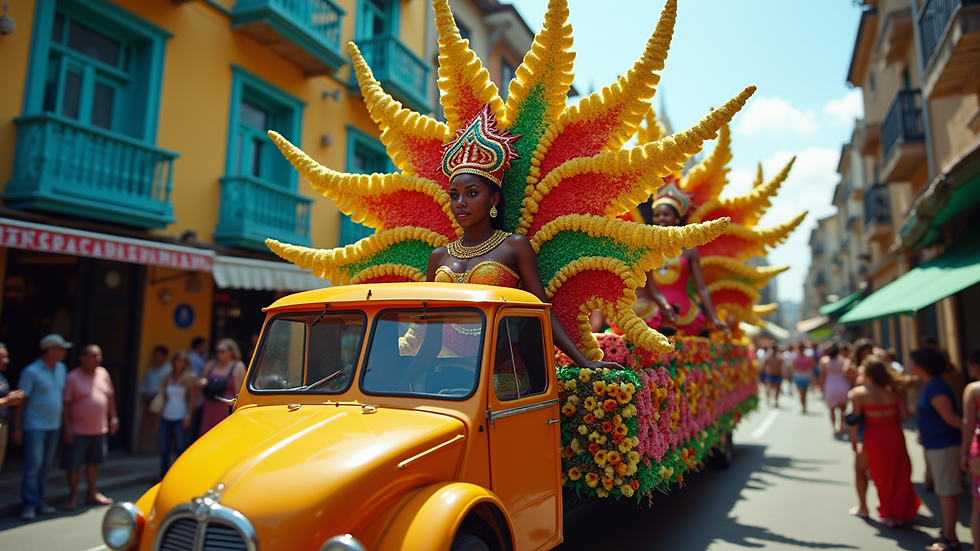
Samba hails from Brazil and is often associated with its vibrant Carnival celebrations. This dance style features rapid movements and lively music that embody the spirit of the Brazilian culture. Samba can be performed solo or with partners, and it includes various styles like samba de roda and samba no pé. The dance’s upbeat tempo and fun vibe make it a popular choice for both dancers and spectators.
Tango
Originating in the late 19th century in the working-class neighborhoods of Buenos Aires, Argentina, tango is one of the most dramatic and passionate Latin dances. It blends African and European influences, making it a symbol of Argentine culture. Tango is recognized for its close embrace, sharp movements, and intricate footwork. As the music of tango evolved, so did its dance styles, and today, there are various forms of tango, including Argentine Tango and International Tango.
Cha-Cha
Cha-Cha is a playful and lively dance from Cuba, derived from the mambo. It evolved in the 1950s and quickly became popular in dance halls worldwide. The dance is characterized by its quick footwork and infectious rhythm. The basic cha-cha step is simple, making it accessible for beginners while still offering room for more complex variations. Cha-Cha is often recognized by its syncopated rhythms, making it a favorite in Latin dance competitions.

The Significance of Latin Dance Cultural Heritage
Latin dance is not just a form of entertainment; it is a cultural expression that reflects the history and identity of the people. Each dance tells a story and connects dancers to their roots. For instance, tango is often considered a symbol of Argentine identity, representing passion, longing, and the immigrant experience of the early 20th century.
The influence of Latin dance extends beyond the dance floor. It plays a role in building community and promoting cultural understanding. Dance classes, workshops, and social events create spaces where people from different backgrounds can come together, learn, and share their passion for dance. If you are in Gladstone Qld and interested in joining a vibrant community, consider exploring local options for Latin dance lessons.
The Evolution of Latin Dance in Modern Times
In recent years, Latin dance has gained tremendous popularity, influencing many aspects of popular culture. From movie soundtracks to television shows like "Dancing with the Stars," Latin dance has made its mark on global entertainment.
Various Latin dance styles have also adapted to contemporary music genres, blending traditional movements with modern beats. This fusion attracts younger audiences and keeps the essence of these dances alive. Dance studios are now offering classes that blend traditional Latin dance styles with modern interpretations, creating a fresh and exciting atmosphere.
Dancers continue to experiment with innovative styles, incorporating elements from hip-hop, jazz, and other dance forms. This evolution showcases the versatility of Latin dance and its ability to adapt to changing artistic landscapes.
The Future of Latin Dance
As Latin dance continues to thrive, its future looks promising. Major dance festivals and competitions are now dedicated to showcasing Latin dance styles, allowing dancers from around the world to connect and collaborate. Fostering international exchanges will help preserve the rich history of Latin dance while encouraging innovation.
Additionally, technology has started to play a role in the future of dance. Online classes, social media platforms, and streaming services have made it easier for dancers and enthusiasts to access resources and connect with others who share similar interests.
As the world becomes increasingly interconnected, Latin dance will likely continue to evolve, inspiring new generations of dancers while maintaining its rich cultural heritage. The vibrancy of Latin dance not only celebrates the past but also paves the way for exciting developments in style, technique, and cultural exchange.
Dance as a Universal Language
Latin dance serves as a universal language, transcending cultural boundaries and bringing people together. The emotional connection forged through dance creates a sense of belonging and community. Whether you are a beginner or an experienced dancer, the joy of Latin dance is accessible to everyone.
Now is the perfect time to immerse yourself in the captivating world of Latin dance. Whether you take classes, attend social dances, or simply appreciate the beauty of these styles in performances, you can feel the passion and richness of Latin culture come alive on the dance floor.
So, lace up your dancing shoes, let the rhythm guide you, and embrace the exhilarating journey of Latin dance. Let each step take you deeper into its vivid history and beautiful traditions. Experience the joy of connection through dance, and help keep the legacy of Latin dance alive for generations to come.

Get Up 'N Dance
If it isn’t fun, you’re doing it wrong! Come dance with us—the most fun you can have with your clothes on (without alcohol) awaits! 😉


Comments